

Kategorie: HVAC Sector Gas Sensors
Gas monitoring in the HVAC (Heating, Ventilation, and Air Conditioning) sector is crucial for ensuring indoor air quality, occupant comfort, and system efficiency. Various gases can affect the performance and safety of HVAC systems, and monitoring their concentrations is essential for maintaining optimal conditions.
Common gases targeted in the HVAC sector include:
|
|
|
|
|
✅ Learn more about gas detection in the HVAC Sector





Common gas monitoring applications in the HVAC sector include;
Monitoring Carbon Dioxide (CO2) levels is essential for assessing indoor air quality and ventilation effectiveness. Elevated CO2 levels can indicate inadequate ventilation, which can lead to discomfort, drowsiness, and impaired cognitive function among occupants. Gas monitoring systems track CO2 concentrations to ensure proper ventilation rates and improve indoor air quality. Monitoring Volatile Organic Compound (VOC) levels helps identify sources of pollution and implement measures to improve indoor air quality, such as increasing ventilation, using low-VOC materials, and adopting green cleaning practices.
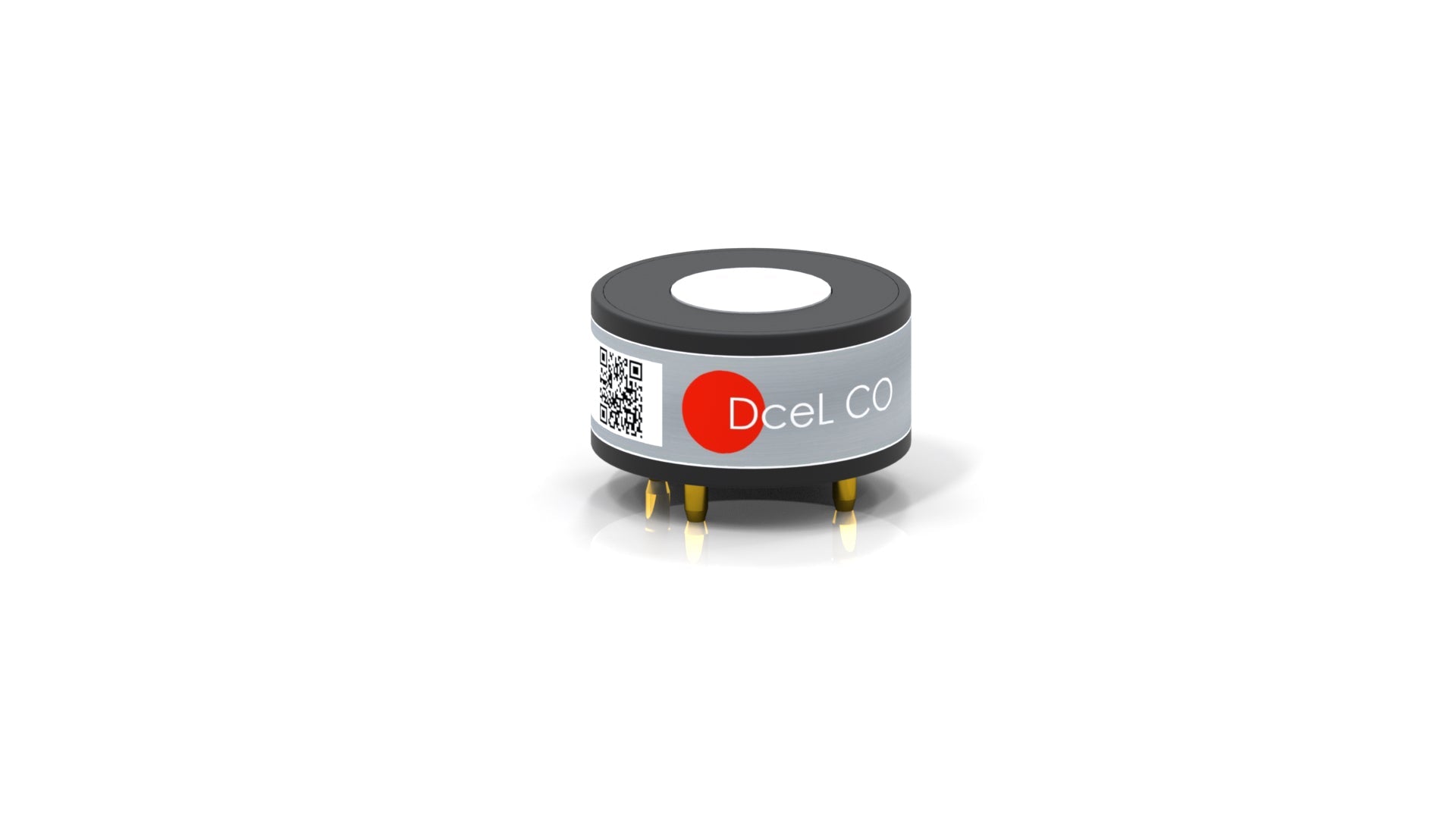
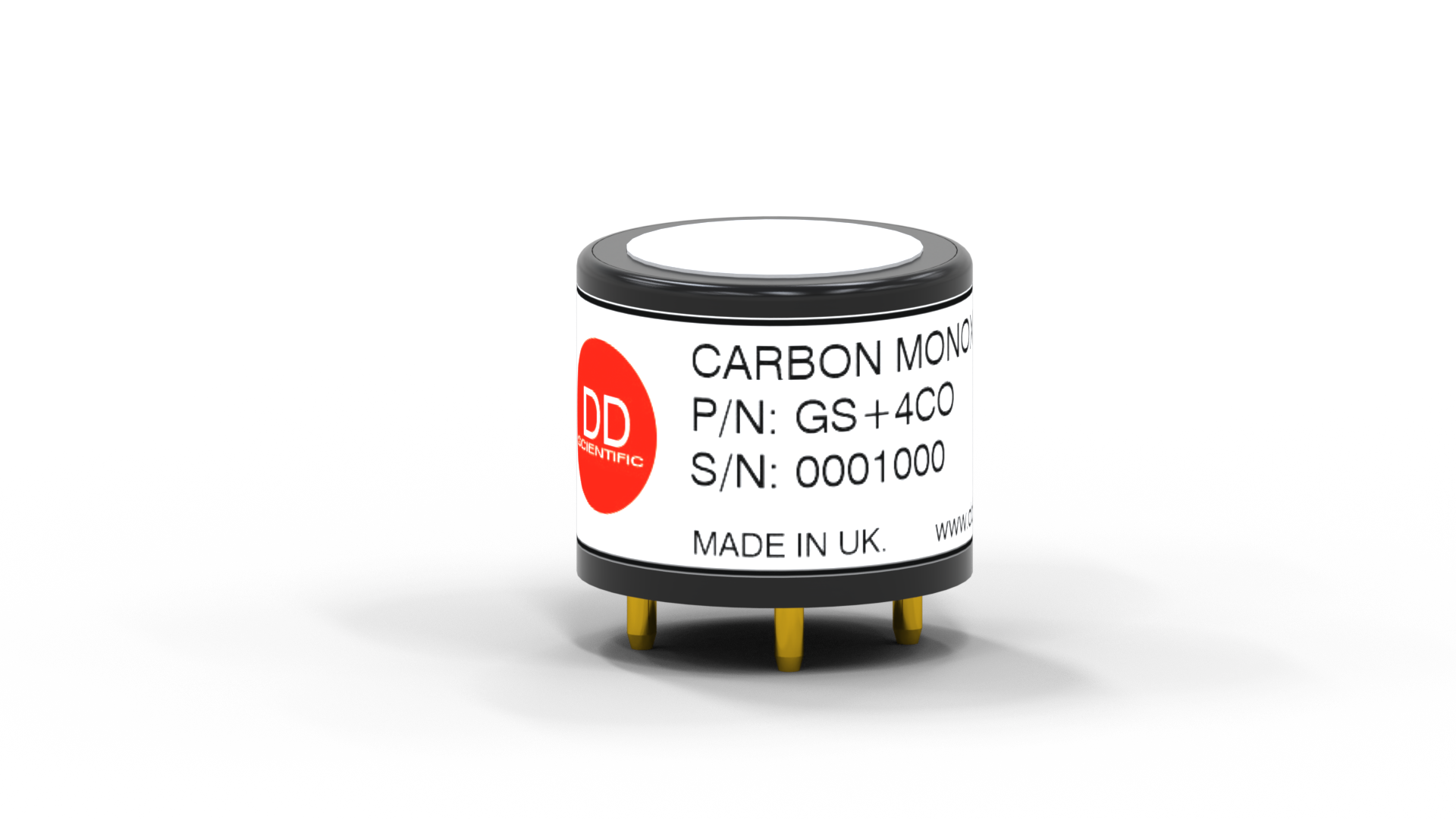
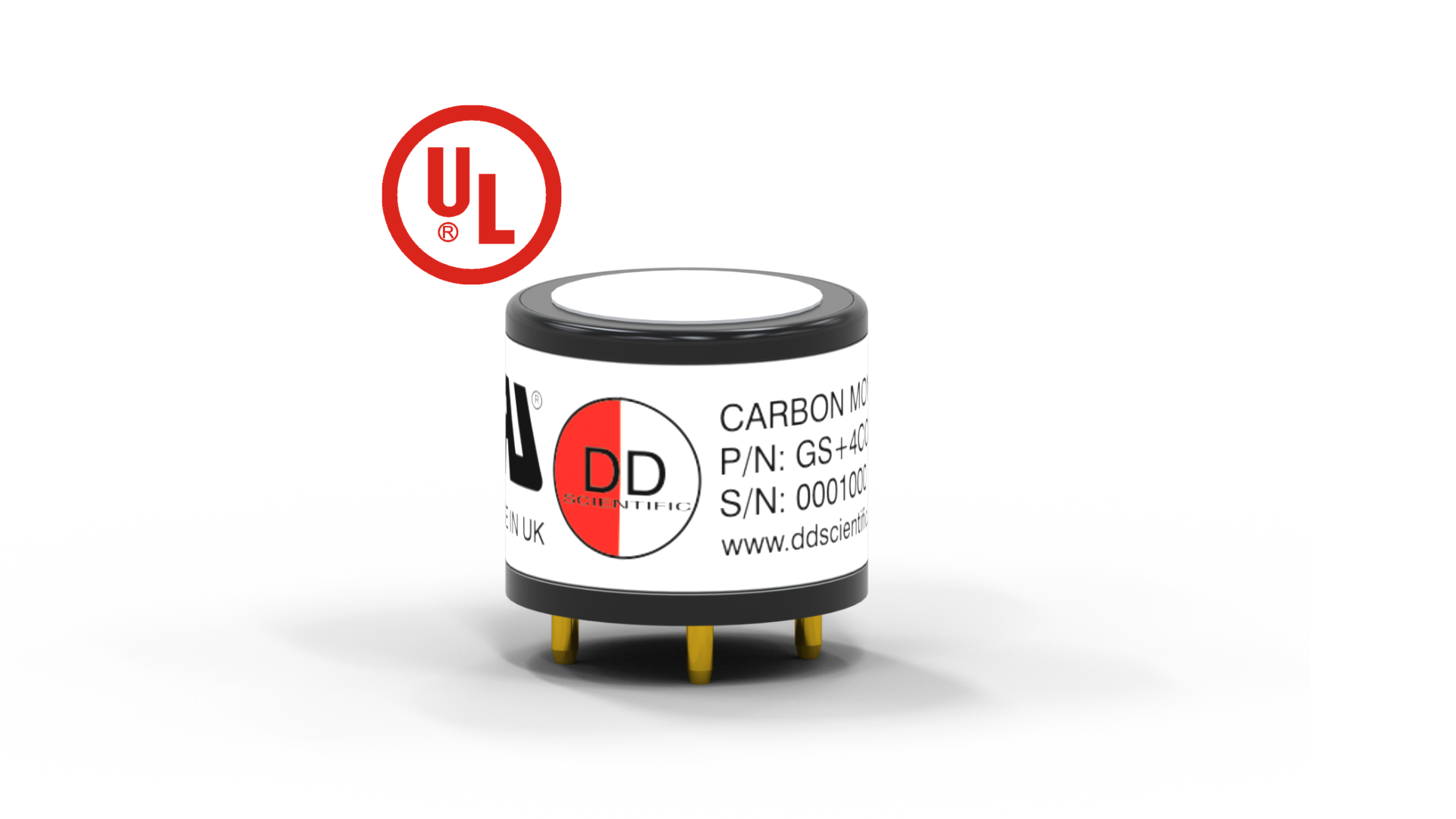
Carbon monoxide (CO) is a colorless, odorless gas produced by incomplete combustion of fossil fuels. HVAC systems that use combustion-based heating or cooling equipment, such as furnaces or boilers, can produce CO if not properly maintained or ventilated. Monitoring CO levels helps detect equipment malfunctions, leaks, or other issues that can compromise indoor air quality and pose health risks to occupants.
HVAC systems use refrigerants such as Ammonia (NH3) to transfer heat and cool indoor spaces. Refrigerant leaks can occur due to equipment malfunctions or aging components, leading to reduced system efficiency and potential environmental hazards. Gas monitoring systems equipped with refrigerant sensors detect leaks early, allowing for prompt repairs to prevent system damage, minimise refrigerant emissions, and ensure optimal performance.
Monitoring Oxygen (O2) levels is essential for ensuring adequate ventilation and combustion in HVAC systems. Low Oxygen levels can indicate ventilation deficiencies or combustion problems, posing health and safety risks to occupants. Gas monitoring systems measure oxygen concentrations to ensure proper combustion and ventilation rates, preventing the buildup of harmful gases such as carbon monoxide.
Gas monitoring systems can perform combustion gas analysis to assess the efficiency and safety of combustion-based HVAC equipment. By measuring parameters such as O2, CO and flue gas temperature, technicians can optimise combustion efficiency, identify equipment malfunctions, and ensure compliance with regulatory standards.

HVAC Sector Gas Sensors Application Support
We work with a broad range of customers in the HVAC Sector Gas Sensors sector and will be glad to discuss your specific needs, be it integration of DDS sensors or outlining the benefits our sensors can bring to your instruments.
To talk to one of our application specialists get in touch today.